
HACCP Certification: A Must-Have for Food Safety Compliance
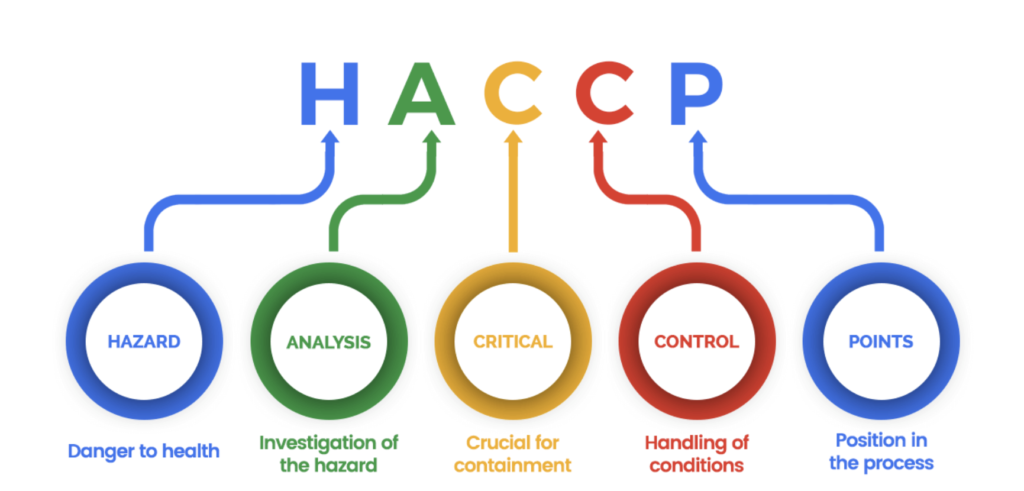
Food safety is a top priority in Canada, and businesses involved in food production, processing, and distribution must adhere to strict regulations. Hazard Analysis and Critical Control Points (HACCP) certification is a globally recognized system that ensures food safety and prevents contamination. Understanding HACCP principles is essential for maintaining compliance, protecting consumers, and enhancing business credibility.
Registration of HACCP Certification
The first step to obtaining HACCP certification is understanding the registration process. The Canadian Food Inspection Agency (CFIA) mandates that food businesses implement HACCP-based systems to comply with the Safe Food for Canadians Regulations (SFCR). Companies must develop a food safety plan that identifies potential hazards, outlines preventive measures, and ensures continuous monitoring.
Registration involves submitting detailed documentation of the HACCP plan, including hazard analysis, control measures, monitoring procedures, and corrective actions. Failure to comply with HACCP standards can lead to legal penalties, business closure, or reputational damage.
Safety and Testing Requirements
HACCP certification emphasizes the identification and control of food safety hazards. Companies must conduct a thorough risk assessment to detect biological, chemical, and physical hazards that may pose risks to consumer health.
Businesses are required to implement safety testing protocols to validate and verify the effectiveness of control measures. This includes microbial testing, allergen management, and environmental monitoring to ensure compliance with regulatory requirements.

Key Safety Considerations:
- Hazard Identification: Recognizing potential risks in food production, such as bacterial contamination or chemical residues.
- Preventive Measures: Establishing controls to eliminate or reduce identified hazards.
- Monitoring Procedures: Conducting routine checks to ensure food safety measures are functioning correctly.
Market Authorization and Compliance
Once HACCP certification is obtained, businesses must ensure ongoing compliance with food safety regulations. Regular audits and inspections by CFIA or third-party certification bodies help verify that HACCP systems remain effective and up to date.
Non-compliance with HACCP requirements can result in fines, product recalls, or suspension of business operations. Companies should stay informed about regulatory updates and continuously improve their food safety management systems.
The Role of Consulting Services in Compliance
Navigating HACCP certification can be challenging, and many businesses seek assistance from regulatory consultants. Arora 297 Consultancy offers expert guidance in developing HACCP plans, conducting risk assessments, and ensuring regulatory compliance.
Consulting services help businesses streamline the certification process, reduce compliance risks, and maintain food safety standards effectively. By working with experienced professionals, companies can enhance their credibility and meet industry requirements efficiently.
Conclusion
In conclusion, HACCP certification is crucial for food businesses aiming to ensure safety, regulatory compliance, and consumer confidence. Companies must implement rigorous food safety standards, conduct regular inspections, and stay updated with evolving regulations. With the support of expert consultants like Arora 297 Consultancy, businesses can achieve HACCP certification seamlessly and uphold the highest food safety standards in Canada.
