
Best Practices for Food Safety Audits in 2025
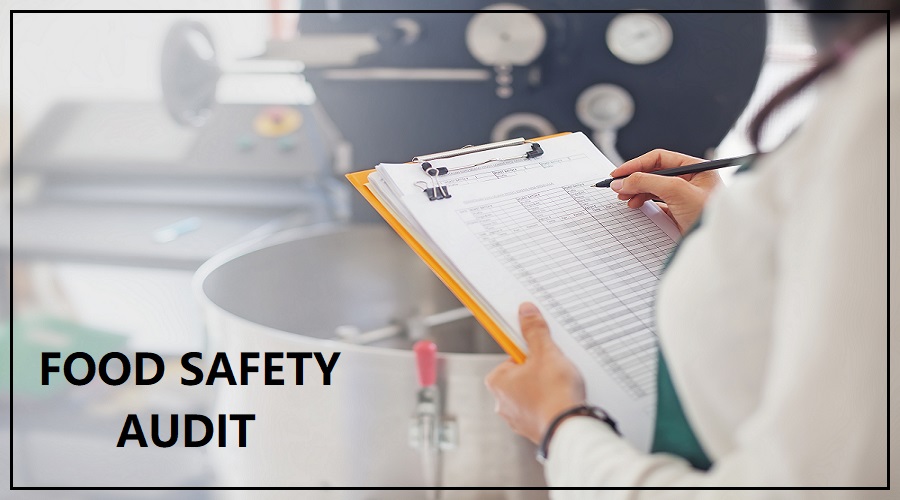
Food safety audits play a crucial role in maintaining compliance with industry standards and ensuring public health. As regulations continue to evolve, businesses must adopt best practices to successfully pass audits and maintain food safety. Whether you are a food manufacturer, restaurant owner, or supplier, understanding these practices will help you stay compliant and protect your brand reputation. This guide covers essential steps to prepare for food safety audits in 2025.
Understanding Food Safety Audits
The first step to passing a food safety audit is understanding its purpose and requirements. Food safety audits assess compliance with government regulations, industry standards, and company policies. These audits may be conducted by government agencies, third-party certification bodies, or internal auditors. Failing an audit can lead to fines, recalls, and reputational damage, making preparation essential.
Preparing for a Food Safety Audit
Preparation is key to a successful audit. Companies should have well-documented food safety protocols, maintain updated records, and train employees on best practices. Regular internal audits help identify potential issues before an official audit occurs.
Documentation and Record-Keeping
Accurate record-keeping is essential for demonstrating compliance. Businesses should maintain detailed records of food safety procedures, including:
- Hazard Analysis and Critical Control Points (HACCP) plans
- Employee training records
- Sanitation and cleaning schedules
- Supplier verification documents
- Temperature monitoring logs
Maintaining organized and accessible records will streamline the audit process and demonstrate a commitment to food safety.
Compliance with Hygiene and Sanitation Standards
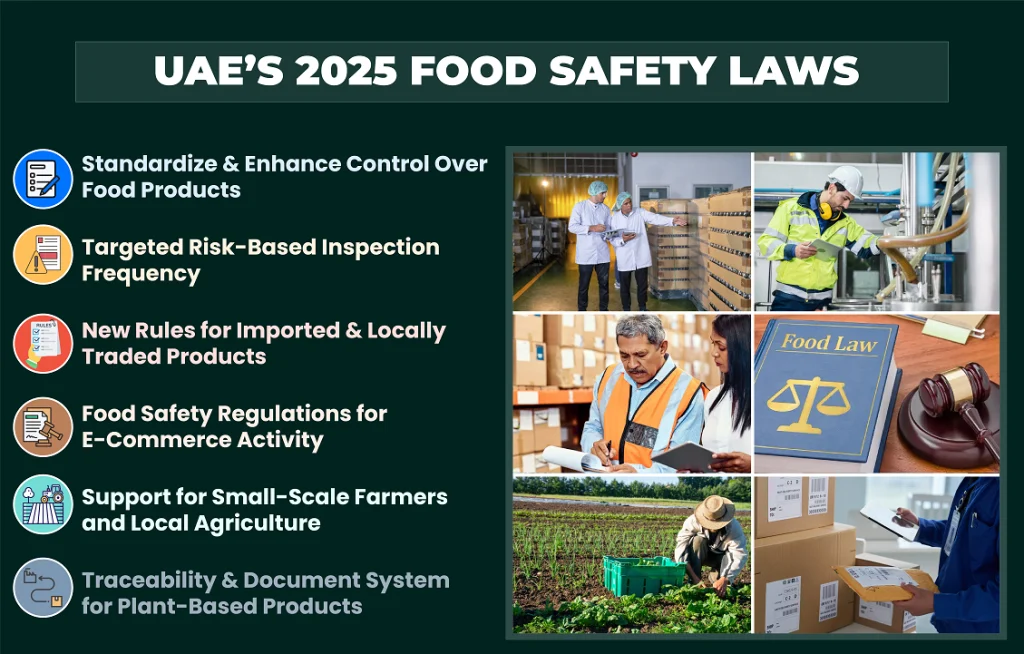
Hygiene and sanitation are critical components of food safety. Businesses must ensure that their facilities, equipment, and employees meet strict hygiene standards. This includes:
- Implementing regular cleaning and sanitation schedules
- Enforcing proper handwashing and personal hygiene practices
- Using approved cleaning agents and sanitizers
- Preventing cross-contamination in food preparation areas
Employee Training and Awareness
Employees play a vital role in food safety compliance. Regular training sessions should be conducted to educate staff on food safety policies, handling procedures, and hygiene requirements. Training should cover:
- Proper food storage and temperature control
- Allergen management practices
- Identifying and reporting potential safety hazards
- Compliance with Good Manufacturing Practices (GMP)
Ingredient and Supply Chain Control
Ensuring the safety of raw materials and ingredients is essential for overall compliance. Businesses must work with trusted suppliers who adhere to food safety standards. This involves:
- Conducting supplier audits and verifying certification
- Testing raw materials for contaminants
- Maintaining traceability records for all ingredients
- Implementing a recall plan in case of contamination issues
Regular Internal Audits and Continuous Improvement
Conducting regular internal audits helps identify potential non-compliance issues before an official audit. Businesses should:
- Perform routine self-inspections
- Address non-conformance issues promptly
- Update policies based on audit findings
- Stay informed about regulatory changes
The Role of Food Safety Consultants
Navigating food safety audits can be complex. Partnering with experienced food safety consultants, like Arora 297 Consultancy, can help businesses comply with evolving regulations. Consultants provide expert guidance on food safety documentation, HACCP implementation, employee training, and audit preparation.
ConclusionBest Practices for Food Safety Audits in 2025
Food safety audits are essential for maintaining compliance and ensuring consumer safety. By implementing best practices such as thorough documentation, employee training, and supplier verification, businesses can successfully navigate audits in 2025. With expert assistance from Arora 297 Consultancy, food businesses can confidently meet regulatory requirements and uphold the highest food safety standards.
