

Cosmetic Ingredient Compliance: Proven Strategies for a Fast-Changing Global Rulebook
Cosmetic ingredient compliance is more complex than ever, with rules shifting across the US, Canada, EU/UK, and other markets. You need a clear, step-by-step plan to stay ahead of evolving standards like US MoCRA compliance and the Health Canada Cosmetic Ingredient Hotlist. This post lays out a practical framework to help you select, validate, and monitor ingredients confidently while reducing risk and speeding approvals. Keep reading to secure your market access with proven strategies tailored for global compliance. For further insights, consider checking this resource.
Navigating Global Compliance Challenges
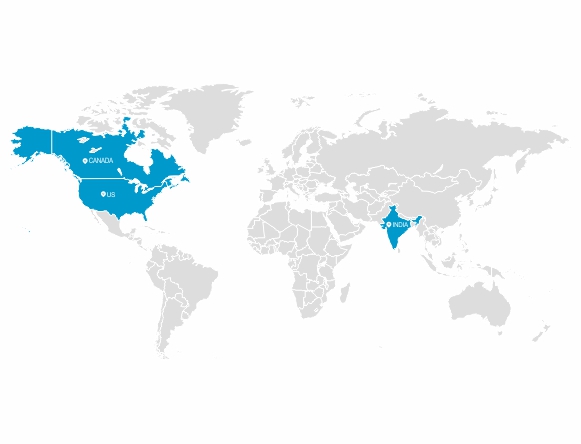
Understanding the complex world of global cosmetic regulations can be daunting. With different rules in each market, knowing who sets these regulations is crucial.
Understanding Key Regulatory Bodies
The primary regulatory bodies shape the compliance landscape for cosmetics. In the US, the FDA oversees cosmetic safety, while the EU relies on Regulation 1223/2009. Canada’s Health Canada and its Cosmetic Ingredient Hotlist set strict guidelines. In China, CSAR governs cosmetic products, adding another layer of complexity. Each of these bodies has its own requirements, and staying informed is your first step in ensuring compliance.
Screening Against Regional Standards
Each region has distinct standards for cosmetic ingredients. For instance, the EU’s CPNP notification process is essential for market entry. The US requires adherence to MoCRA, impacting how ingredients are selected and used. It’s vital to screen your ingredients against these regional standards early. This proactive approach can prevent future roadblocks. By understanding the differences, you minimize risks, ensuring smooth market entry.
Building a Master Ingredient Library
Creating a comprehensive ingredient library simplifies your compliance efforts. Start by cataloging each ingredient with details like INCI names and regulatory status. This library serves as a reference to verify ingredient acceptability across regions. Regularly update it with changes in regulations, such as new entries on the banned and restricted lists. Having this resource streamlines the vetting process for new products, keeping you compliant and competitive.
Ensuring Ingredient Safety and Compliance

Once you understand the regulatory framework, the next step is ensuring your ingredients are safe and compliant.
Performing Safety Substantiation
Safety substantiation is critical to meet regulatory requirements. This involves gathering evidence to support the safety of each ingredient. You need to document studies, historical data, and scientific literature. This information should demonstrate that your products are safe for consumer use. Without proper substantiation, you risk non-compliance and potential recalls.
Toxicological Risk Assessment
A thorough toxicological risk assessment evaluates potential health risks. This assessment considers factors like ingredient concentration and exposure levels. By evaluating these risks, you can make informed decisions about ingredient usage. This process is essential to comply with regulations and ensure consumer safety. For in-depth guidance on compliance, visit this comprehensive training resource.
Monitoring Banned and Restricted Ingredients
Regulatory bodies frequently update lists of banned and restricted ingredients. It’s crucial to stay updated with these changes. Regular monitoring helps you quickly adapt formulations to remain compliant. Use reliable sources like regulatory websites and industry updates. This vigilance protects your brand from non-compliance penalties and preserves consumer trust.
Streamlining Notifications and Labeling

Navigating ingredient compliance is only part of the equation. Notifications and labeling are equally critical for market success.
Preparing CPNP and SCPN Notifications
Both the EU and the UK require notifications before products can be marketed. The CPNP and SCPN systems require detailed product information. Accurate and timely submissions are essential for compliance. Ensure your team is trained on these processes to avoid delays. A well-prepared notification expedites market access and demonstrates regulatory diligence. Check here for updates.
Addressing Allergen and Cosmetic Labeling
Proper labeling is a cornerstone of compliance. Allergen labeling is required by regulations like the EU Cosmetics Regulation 1223/2009. Labels must clearly state allergens to inform consumers. Accurate labeling builds trust and meets regulatory standards. Regularly review your labels to ensure they reflect current formulations and regulations. This attention to detail can prevent costly compliance issues and strengthen your brand’s reputation.
Establishing Supply Chain Traceability
Supply chain traceability ensures that all ingredients are verified and compliant. Document every step from sourcing to production. This traceability protects against disruptions and non-compliance. It’s essential for audits and regulatory reviews. A transparent supply chain enhances product integrity and consumer confidence. By maintaining thorough records, you safeguard your brand and streamline operations.
In conclusion, navigating cosmetic ingredient compliance requires a strategic approach. By understanding regulations, ensuring safety, and streamlining processes, you position your brand for success. Keep abreast of changes and updates to maintain compliance. Explore further insights and trends in global regulations in this video resource.
