
Organic Certification in Canada: Requirements and Benefits
Canada has strict regulations governing the certification of organic products to ensure consumer trust and environmental sustainability. The Canadian Food Inspection Agency (CFIA) enforces these regulations, and businesses must comply with various requirements to legally market organic products in the Canadian market. Understanding these rules is vital for success in Canada’s competitive organic industry. Whether you’re a small farm or a large agricultural business, this guide will help you navigate the complexities of Canada’s organic certification.
Registration of Organic Products
The first step to selling organic products in Canada is obtaining certification from a CFIA-accredited certifying body. The Organic Products Regulations under the Safe Food for Canadians Act stipulate that all organic products must meet specific standards. Companies are required to submit details about farming practices, processing methods, and ingredient sourcing for approval. Registration is a crucial process, and failure to comply can result in product disqualification or legal penalties.
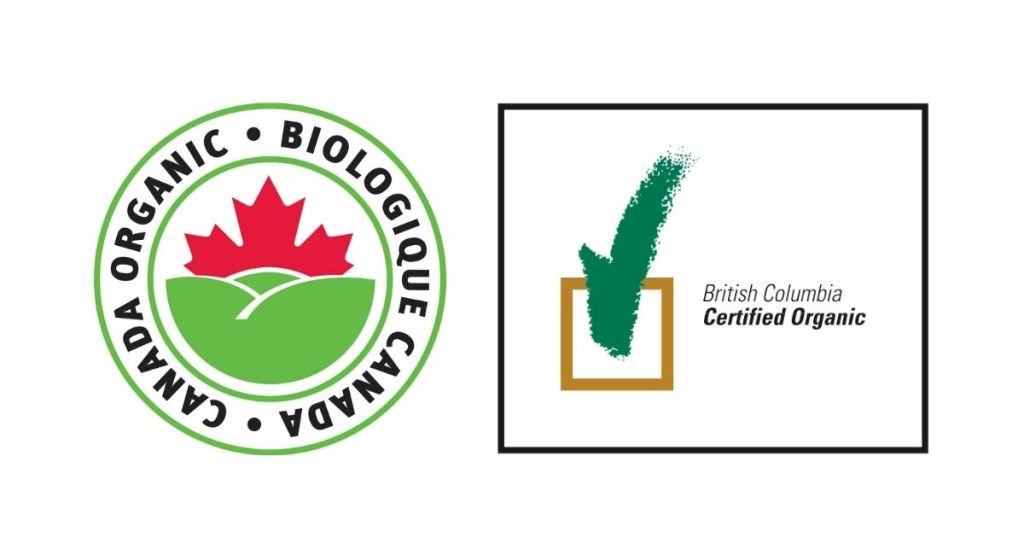
Canada’s Organic Regime (COR) ensures that organic products meet national standards, allowing them to be labeled as “organic” and sold domestically or internationally.
Safety and Compliance Requirements
One of the primary concerns of the CFIA is ensuring the integrity of organic products. All organic farms and processors must follow strict guidelines to prevent contamination with non-organic substances. Businesses must demonstrate that their products adhere to organic production methods and avoid prohibited substances.
Companies are required to maintain detailed records of farming and production practices to prove compliance. Additionally, businesses must undergo regular inspections and audits by CFIA-accredited certifiers.
- Organic Farming Practices: Crops must be grown without synthetic pesticides, chemical fertilizers, or genetically modified organisms (GMOs).
- Livestock Standards: Animals must be raised in humane conditions, with access to organic feed and no antibiotics or synthetic growth hormones.
- Processing and Handling: Organic products must be processed separately from non-organic products to prevent cross-contamination.
Market Authorization and Compliance
Once organic certification is obtained, businesses must ensure that they remain compliant with CFIA’s ongoing monitoring and inspections. Certification bodies conduct periodic reviews to ensure that organic farms and processors continue to follow regulations. Any violations can lead to certification suspension, fines, or removal of organic status.
Staying informed about regulatory updates and implementing best practices in organic farming and processing helps businesses maintain compliance and consumer trust.
The Role of Consulting Services in Compliance
Given the complexity of organic certification, many businesses choose to partner with regulatory consultants to ensure compliance. Arora 297 Consultancy provides expert guidance in obtaining organic certification, maintaining records, and preparing for audits.
Consulting services help businesses navigate the organic certification process efficiently, reducing the risk of non-compliance and ensuring smooth market entry.
Conclusion
In conclusion, Canada’s organic certification regulations are designed to protect consumers while promoting sustainable agricultural practices. Companies must adhere to strict organic farming standards, record-keeping requirements, and regular inspections to maintain certification. With the right preparation and expert assistance from consultants like Arora 297 Consultancy, businesses can successfully navigate the complex organic certification process and build consumer trust in the Canadian organic market.
