
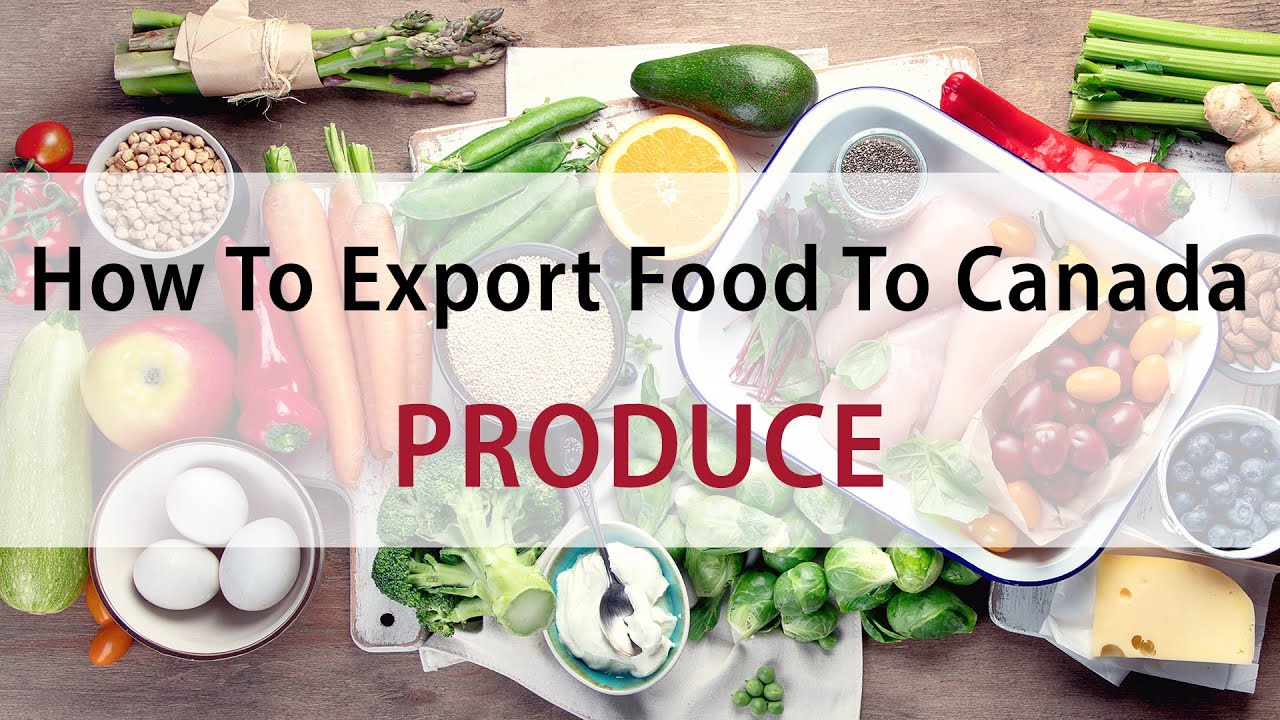
A Complete Guide to Food Export Regulations in Canada
Canada has strict regulations governing the export of food products to ensure safety and quality compliance. The Canadian Food Inspection Agency (CFIA) enforces these regulations, and businesses must adhere to various requirements to legally export food from Canada. Understanding these rules is vital for success in the international food trade. Whether you are a small business or a large exporter, this guide will help you navigate the complexities of Canada’s food export regulations.
Registration of Food Exporters
The first step to exporting food from Canada is registering with the CFIA and obtaining the necessary permits. The Safe Food for Canadians Regulations (SFCR) stipulate that all food exporters must be licensed and follow strict safety standards. Companies must submit product information, including ingredients, labels, and safety data, for approval. Registration is a crucial process, and failure to comply can result in shipment delays, product recalls, or legal penalties.
The CFIA’s licensing and registration program ensures transparency and compliance with international trade agreements, facilitating smoother export operations for Canadian food businesses.
Safety and Testing Requirements
One of the primary concerns of the CFIA is ensuring the safety of exported food products. All food items must undergo rigorous safety testing before being approved for export. Manufacturers must demonstrate that their products meet the health and safety standards of both Canadian and international markets.
Companies are required to conduct safety assessments for each product, ensuring they comply with CFIA’s standards for contamination, microbial safety, and allergen management. Additionally, businesses must maintain records of testing and safety assessments in case of audits or inspections.

- Ingredient Testing: Exporters must verify that all ingredients used in their products meet international safety standards.
- Non-toxic and Allergen-Free: Food products should be tested for contaminants, allergens, and potential health risks.
- Shelf-Life Stability: Products must maintain their quality, safety, and efficacy throughout their shelf life to meet export requirements.
Market Authorization and Compliance
Once food products are registered, businesses must ensure ongoing compliance with CFIA’s monitoring procedures. Regular inspections may be conducted at production facilities, warehouses, and export points to verify that food products continue to meet safety and labeling standards.
Non-compliance can result in shipment rejections, fines, or even export bans. Therefore, it is important to stay informed about changing regulations and update products accordingly to meet the evolving standards of different international markets.
The Role of Consulting Services in Compliance
Given the complexity of Canadian food export regulations, many businesses choose to work with regulatory consultants to ensure compliance. Arora 297 Consultancy provides invaluable support in product registration, safety testing, labeling, and export market authorization.
Consulting services help businesses navigate export regulations efficiently, saving time and resources while avoiding potential legal issues. Partnering with an experienced consultancy ensures a seamless process in meeting regulatory requirements and successfully entering international markets.
Conclusion
In conclusion, Canada’s food export regulations are designed to maintain high safety standards while enabling businesses to expand globally. Companies must adhere to strict safety protocols, labeling regulations, and regular inspections to remain compliant. With the right preparation and expert guidance from consultants like Arora 297 Consultancy, businesses can confidently navigate the regulatory landscape and successfully export food products worldwide.
