

Building a Cross‑Border Compliance Plan: A Step‑by‑Step Blueprint for US FDA and Health Canada Market Entry
Cross-border market entry is rarely straightforward, especially when US FDA compliance and Health Canada regulations demand precise attention. You can’t afford delays caused by unclear regulatory steps or incomplete submissions like 510(k) or MDEL registration. In this post, you’ll find a clear, step-by-step blueprint to build a compliance plan that reduces risk and speeds your path to both markets. For more insights on expanding into the US and avoiding potential pitfalls, visit this guide.
Crafting a Compliance Blueprint

Navigating complex regulatory environments is daunting. Yet, with a structured approach, you can simplify the process and achieve market entry smoothly. Let’s explore how to tackle these challenges.
Understanding US FDA Compliance
The US market is vast but comes with intricate compliance requirements. The key to success lies in understanding these demands and creating a solid plan.
To begin with, focus on 510(k) submissions if you’re dealing with medical devices. This process requires demonstrating that your device is safe and effective, comparable to a previously approved product. The FDA reviews your documentation to ensure compliance. Timely and correct submissions can speed up your market entry.
Additionally, be aware of specific guidelines for natural health products and cosmetics. The FDA requires precise ingredient labeling and safety data. This accountability ensures that products meet safety standards, protecting consumers and your business reputation.
Navigating Health Canada Regulations
Canada’s regulatory landscape is equally complex, demanding careful attention to detail. Understanding Health Canada’s requirements is crucial for a successful entry.
Start by focusing on MDEL registration. This is essential for importing or distributing medical devices in Canada. Accurate documentation and adherence to guidelines are paramount. With an MDEL, you can ensure that your products comply with Canadian standards.
Moreover, submitting a Drug Establishment License (DEL) is vital if your business involves pharmaceuticals. This license verifies that your facilities meet good manufacturing practices. Proper licensing reflects a commitment to quality, earning trust from Canadian consumers.
Mapping Your Market Entry Roadmap
Creating a comprehensive market entry roadmap involves strategic planning and execution. This blueprint guides you through the process, reducing risks and ensuring compliance.
Define your goals clearly. Whether it’s launching a new product or expanding your market reach, having clear objectives will steer your roadmap. Crafting a detailed plan with milestones helps in tracking progress and making necessary adjustments.
Ensure that your roadmap aligns with both US and Canadian regulatory requirements. A unified approach not only saves time but also enhances efficiency, allowing you to focus on market penetration and growth.
Key Components of Compliance Plan
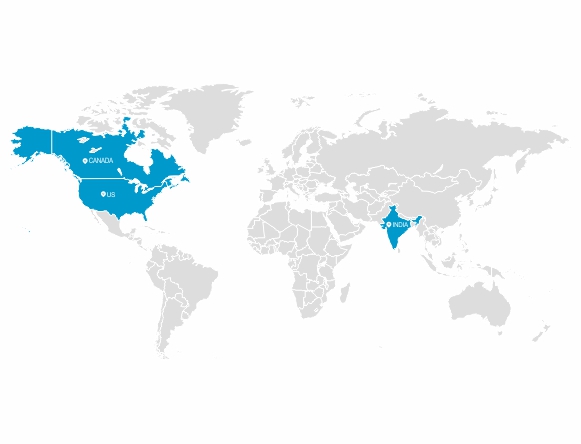
Breaking down the compliance plan into manageable components helps streamline the process. Here’s what you need to focus on:
510(k) Submission and MDEL Registration
Understanding and executing submissions correctly can make all the difference.
For 510(k) submissions, gather all necessary documentation early. This includes safety data, performance testing, and comparisons with similar products. Presenting a comprehensive package to the FDA helps in avoiding delays and achieving faster approval.
On the Canadian side, ensure your MDEL registration is thorough. This involves providing detailed information about your company, products, and distribution plans. Accurate submission enhances your credibility and facilitates smoother entry into the Canadian market.
Drug Establishment License and NHP Site Licence
Securing the right licenses is crucial for market entry.
A Drug Establishment License (DEL) is non-negotiable if your business involves pharmaceuticals. It confirms adherence to good manufacturing practices, ensuring product quality and safety. This license is a testament to your commitment to regulatory standards.
For natural health products, obtaining an NHP Site Licence is imperative. This license confirms that your manufacturing practices meet Health Canada’s standards. A valid site license paves the way for successful market penetration, reinforcing consumer trust in your products.
ISO 13485 QMS and GMP Compliance
Quality management and manufacturing practices are foundational to compliance.
Implementing an ISO 13485 QMS ensures that your products meet international quality standards. This certification is recognized globally, enhancing your credibility in both US and Canadian markets.
Adhering to GMP compliance is equally important. It involves maintaining high standards in manufacturing processes, guaranteeing product quality and safety. Compliance with GMP regulations safeguards your business from potential legal issues and product recalls.
Execution and Monitoring Strategies

With your compliance plan in place, focus on execution and ongoing monitoring to maintain market success.
Pre-Submission Meeting with FDA
A pre-submission meeting can clarify expectations and streamline the approval process.
During this meeting, address any uncertainties regarding your submission. The FDA provides feedback on your documentation, helping you make necessary adjustments before the official submission. This proactive approach can shorten the approval timeline and enhance your chances of success.
eCTD and eSubmission Essentials
Embracing electronic submissions simplifies the process and ensures compliance.
The eCTD (electronic Common Technical Document) is a standardized format for submitting applications. It enhances efficiency and improves communication with regulatory bodies. Familiarizing yourself with eSubmission essentials ensures that your documentation is organized and accessible, facilitating smoother interactions with regulators.
Post-Market Surveillance and Compliance
Maintaining compliance doesn’t end with market entry. Ongoing monitoring is critical for sustained success.
Implement a robust post-market surveillance system to track product performance and safety. This involves gathering data on consumer use and addressing any issues promptly. Continuous compliance with regulatory standards ensures your products remain on the market, protecting your brand’s reputation.
In summary, building a comprehensive compliance plan is essential for successful market entry into the US and Canada. By understanding key regulations, executing a strategic roadmap, and maintaining ongoing compliance, you pave the way for sustained success. For further insights on market strategies, explore this resource.
