
Understanding Canadian Nutritional Labeling Requirements
Canada has strict regulations governing the labeling of food products to ensure consumer safety and informed decision-making. Health Canada enforces these regulations, and businesses must comply with various requirements to legally market food products in Canada. Understanding these rules is vital for success in Canada’s competitive food industry. Whether you’re a small business or a large corporation, this guide will help you navigate the complexities of Canada’s nutritional labeling requirements.
Nutritional Labeling Requirements
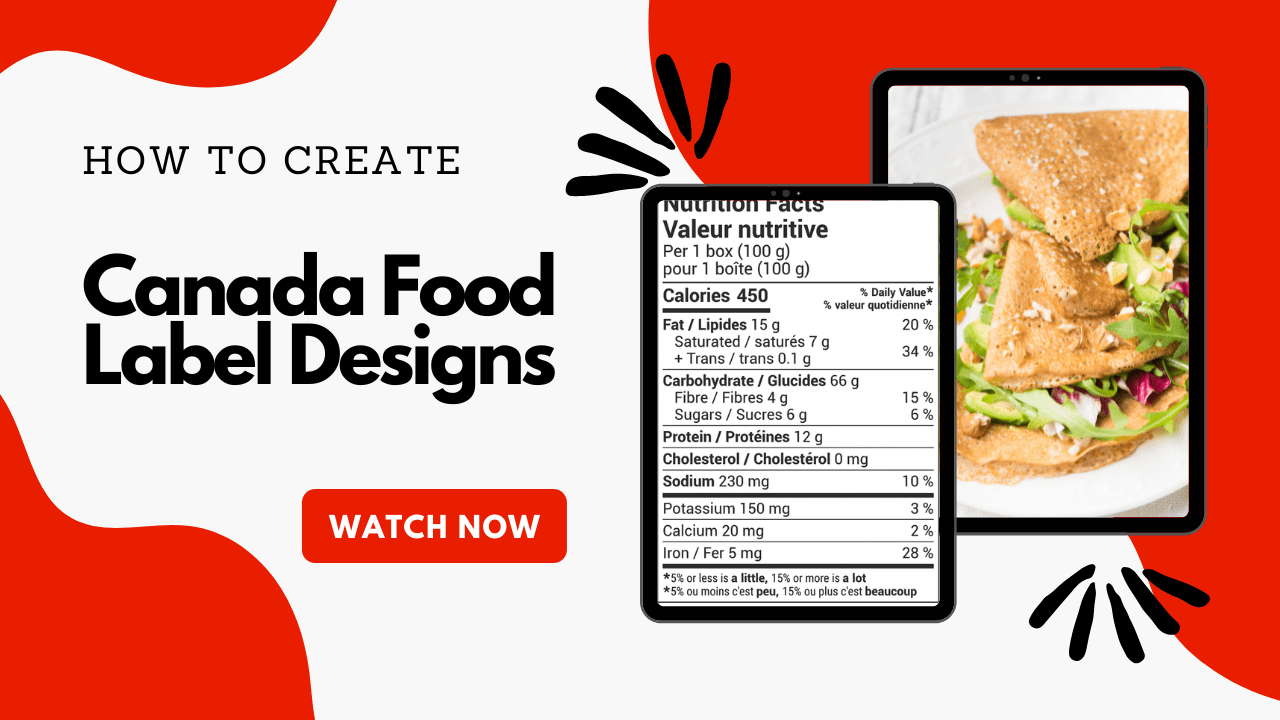
The first step to selling food products in Canada is ensuring compliance with nutritional labeling laws. The Food and Drug Regulations (FDR) mandate that most prepackaged foods display a Nutrition Facts table (NFT) providing essential dietary information. Companies are required to include details such as calorie content, macronutrient values, and specific vitamin and mineral amounts. Proper labeling is crucial, and failure to comply can result in product recall or legal penalties.
Health Canada’s regulations ensure that consumers receive accurate and transparent information, enabling them to make healthier food choices. The NFT format is standardized, allowing for easy comparison between products.
Health Canada’s regulations ensure that consumers receive accurate and transparent information, enabling them to make healthier food choices. The NFT format is standardized, allowing for easy comparison between products.
Safety and Testing Requirements
One of the primary concerns of Health Canada is ensuring that all food products meet strict safety and nutritional standards. Before entering the market, food manufacturers must verify the accuracy of their nutritional claims through scientific testing.
Companies are required to conduct laboratory tests to determine the exact nutrient composition of their products. These tests help verify that the nutritional information displayed on packaging is accurate and meets Health Canada’s guidelines. Businesses must keep records of these assessments for regulatory audits.

- Caloric and Macronutrient Analysis: Ensures that energy values and macronutrient content (fats, proteins, and carbohydrates) are correctly labeled.
- Allergen Testing: Identifies potential allergens such as peanuts, dairy, or gluten to protect consumers with food sensitivities.
- Shelf-Life Stability Testing: Verifies that nutritional values remain accurate throughout the product’s shelf life.
Market Authorization and Compliance
Once food products are labeled correctly, businesses must ensure they remain compliant with Health Canada’s ongoing monitoring procedures. Regular inspections may be conducted at production facilities, retail stores, and warehouses to verify that food labeling adheres to Canadian regulations.
Non-compliance can lead to fines, product recalls, or legal action. It is crucial to stay informed about new regulations and update labels accordingly to reflect any changes in ingredient formulations or dietary guidelines.
The Role of Consulting Services in Compliance
Given the complexity of Canadian nutritional labeling requirements, many businesses choose to partner with regulatory consultants to ensure compliance. Arora 297 Consultancy provides invaluable support by assisting with label design, ingredient verification, and compliance with market authorization.
Consulting services help businesses stay compliant with current regulations, saving time and resources while avoiding potential legal issues. By working with experienced consultants, companies can confidently navigate Canada’s food labeling landscape and enter the market with ease.

Conclusion
In conclusion, Canada’s nutritional labeling requirements are designed to protect consumers while ensuring transparency in the food industry. Companies must adhere to strict standards for ingredient listing, nutrient content, and regular inspections to maintain compliance. With the right preparation and expert assistance from consultants like Arora 297 Consultancy, businesses can successfully meet regulatory requirements and provide consumers with reliable and accurate nutritional information.
